Fifty years after the "Cavaillet" law, which established free organ donation in France, the Senate has adopted a new bill intended to address the persistent shortcomings of the system. Senators aim to guarantee true financial neutrality for living donors, ensuring that no costs are incurred by those who choose to donate an organ.
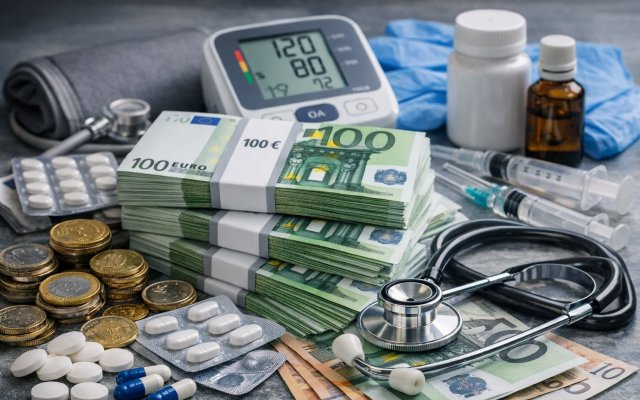
With 70,000 people currently living thanks to a transplant and 23,000 patients awaiting an organ, the proposed law seeks to put an end to observed abuses: late reimbursements, upfront costs, refusals of coverage, and waiting periods for sick leave related to organ donation. Although legislation already provides for full coverage of medical expenses, transportation, and lost income, more than one in five donors reported in 2011 having suffered significant financial hardship. The bill therefore explicitly enshrines the exemption from medical deductibles, excess fees, and waiting periods.
It also extends the right to leave from work to all living donors (except for sperm donation), a provision previously reserved for egg donation. For the authors of the bill, donation must remain free of charge and never incur any cost for the donor.
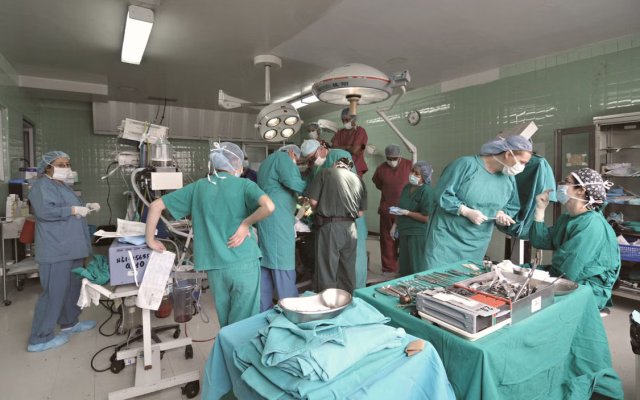
In 2024, 6,024 transplants were performed in France, 614 of which were from living donors. The bill must now be examined by the National Assembly. The Renaloo association welcomes this as a major step forward and hopes that these measures will allow France to catch up with some European countries where transplants from living donors exceed 20%, compared to 15.6% in France.
 Pascal Lemontel Pascal Lemontel
|
 11/06/2026 |
















































 Anglais
 Arabic
 Deutsch
 Français
 Español
 Italien
 Português
 Russian