Pfizer and Valneva announced this week that their experimental Lyme disease vaccine showed "strong efficacy" in an advanced clinical trial, although it did not meet its primary endpoint.
According to their joint statement, the vaccine candidate demonstrated "more than 70% efficacy" in preventing the disease in people aged 5 and older. However, the number of cases observed during the study was too small to meet the primary statistical endpoint in the initial analysis.
To date, no human vaccine is approved against Lyme disease, an infection caused by the bacterium Borrelia burgdorferi, transmitted by ticks. It often manifests as a rash around the bite, but can also lead to complications, including neurological ones. The vaccine developed by Pfizer and Valneva aims to stimulate the production of antibodies against the bacterium. When a tick bites a vaccinated person, it ingests these antibodies, which blocks the transmission of the infection.
Despite not meeting the target, Pfizer says it is "confident in the vaccine's potential" and plans to submit applications for authorization to US and European authorities.
 Pascal Lemontel Pascal Lemontel
|
 25/03/2026 |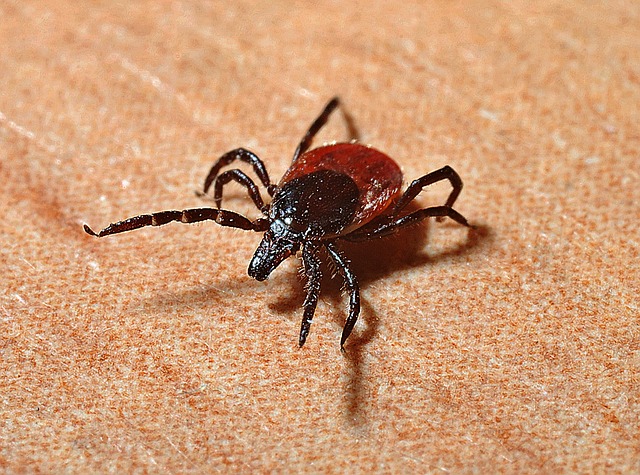

















































 Anglais
 Arabic
 Deutsch
 Français
 Español
 Italien
 Português
 Russian